
Kia Stinger CK: ESP(Electronic Stability Program) System / ESP Control Module
Components and components location
| Components |
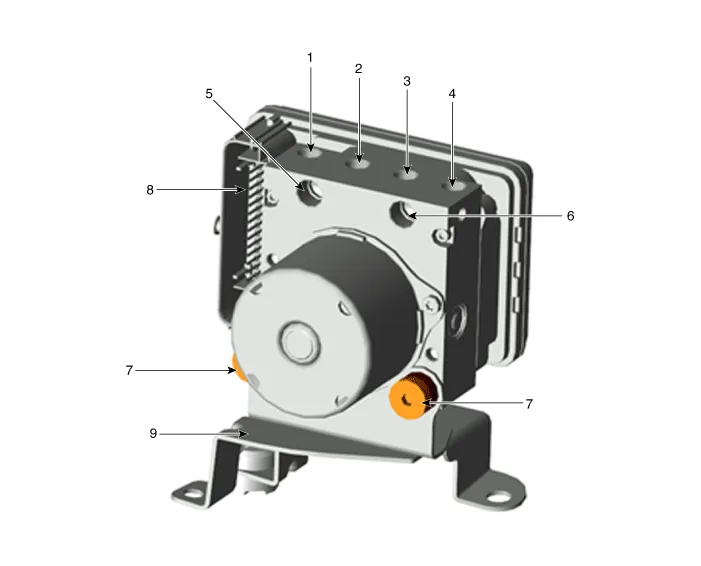
| 1. FR 2. RL 3. RR 4. FL 5. MC2 (SEC) |
6. MC1 (PRI) 7. Damper 8. ESP control module connector 9. ESP control module bracket |
Repair procedures
| Removal |
[LHD]
| 1. |
Turn ignition switch OFF and disconnect the negative (-) battery cable. |
| 2. |
Separate the engine room relay block. (Refer to Body Electrical System - "Relay box (Engine compartment)") |
| 3. |
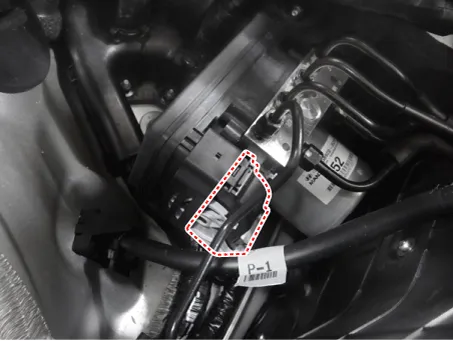
Disconnect the ESP connector.
|
| 4. |
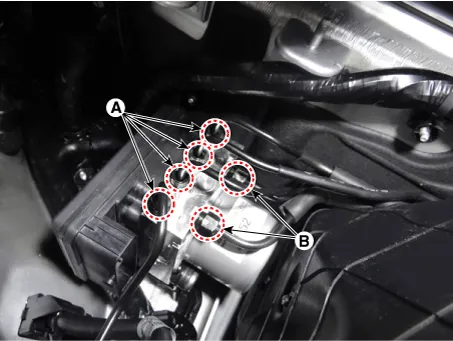
Loosen the ESP brake tube flare nuts.
|
| 5. |
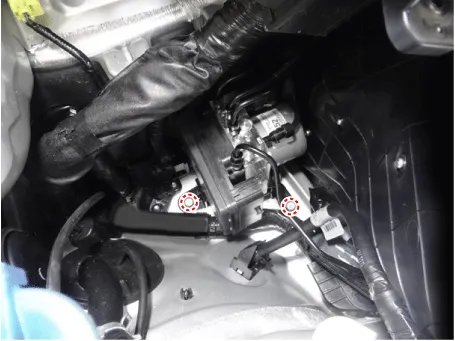
Loosen the ESP bracket bolts and then remove the ESP.
|

[RHD]
| 1. |
Turn ignition switch OFF and disconnect the negative (-) battery cable. |
| 2. |
Remove the air cleaner. D 2.2 R VGT (Refer to Engine Mechanical System - "Air Cleaner") D 2.2 R VGT (Enhanced Euro 6) (Refer to Engine Mechanical System - "Air Cleaner") G 2.0 T-GDI (Refer to Engine Mechanical System - "Air Cleaner") G 3.3 T-GDI (Refer to Engine Mechanical System - "Air Cleaner") |
| 3. |
Recover the refrigerant. (Refer to Heating, Ventilation and Air conditioning - "Repair procedures") |
| 4. |
Disconnect the discharge line (A) and suction line (B).
|

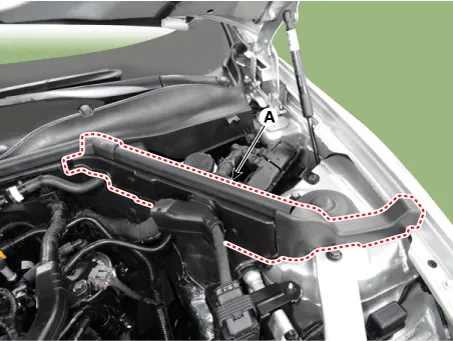
| 5. |
Remove the LH hood sealing cover (A).
|
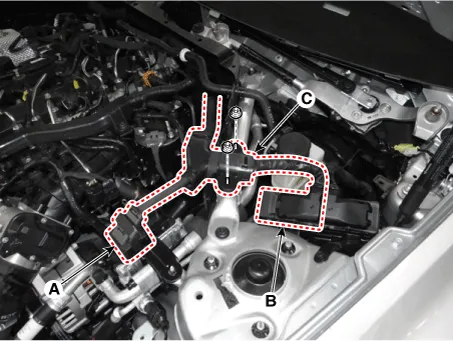
| 6. |
Disconnect the wiring connector and harness from the engine room.
|
| 7. |
Remove the engine control module (ECM). D 2.2 R VGT (Refer to Engine Control /Fuel System - "Engine Control Module (ECM)") D 2.2 R VGT (Enhanced Euro 6) (Refer to Engine Control /Fuel System - "Engine Control Module (ECM)") G 2.0 T-GDI (Refer to Engine Control /Fuel System - "Engine Control Module (ECM)") G 3.3 T-GDI (Refer to Engine Control /Fuel System - "Engine Control Module (ECM)") |
| 8. |
Remove the cowl shock absorber housing bar (A).
|
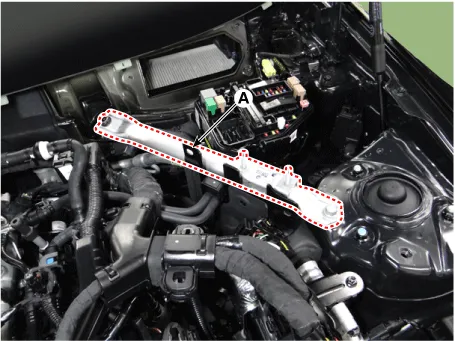
| 9. |
Remove the transmission control unit (TCM). D 2.2 R VGT (Refer to Automatic Transmission System - "Transmission Control Module (TCM)") D 2.2 R VGT (Enhanced Euro 6) (Refer to Automatic Transmission System - "Transmission Control Module (TCM)") G 2.0 T-GDI (Refer to Automatic Transmission System - "Transmission Control Module (TCM)") G 3.3 T-GDI (Refer to Automatic Transmission System - "Transmission Control Module (TCM)") |
| 10. |
Loosen the suction & liquid tube mounting bolts (A).
|
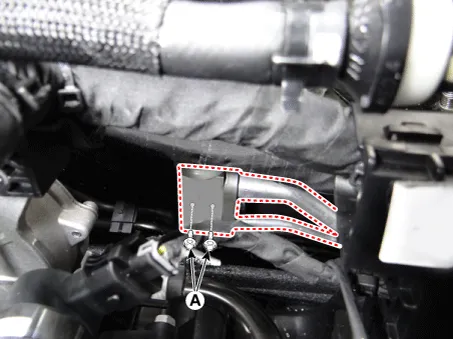
| 11. |
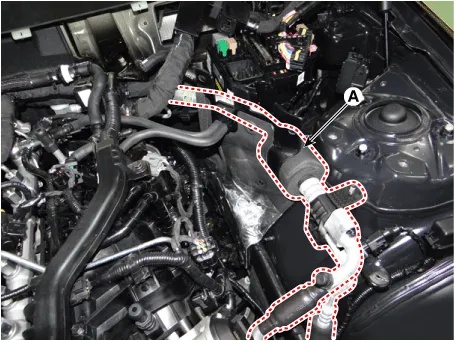
Remove the suction & liquid tube assembly (A).
|
| 12. |
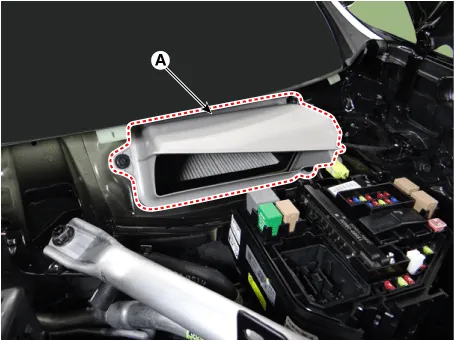
Remove the air blower duct (A).
|
| 13. |
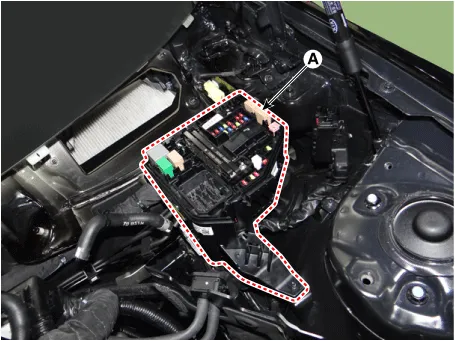
Separate the engine room relay box (A).
|
| 14. |
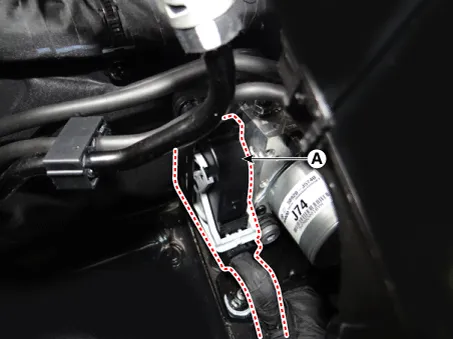
Disconnect the ESP connector (A).
|
| 15. |
Loosen the ESP brake tube flare nuts.
|
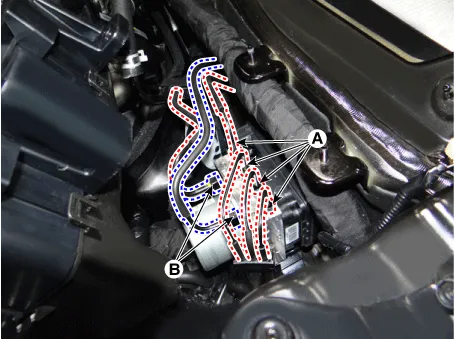
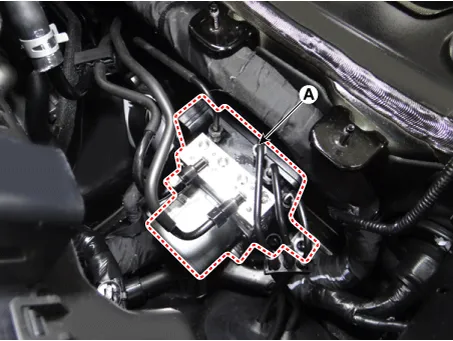
| 16. |
Remove the ESP control module (A).
|
| Installation |
| 1. |
Install in the reverse order of removal. |
| 2. |
After installation, bleed the brake system. (Refer to Brake system - "Brake Bleeding Procedures") |
| Diagnostic procedure by using diagnostic device |
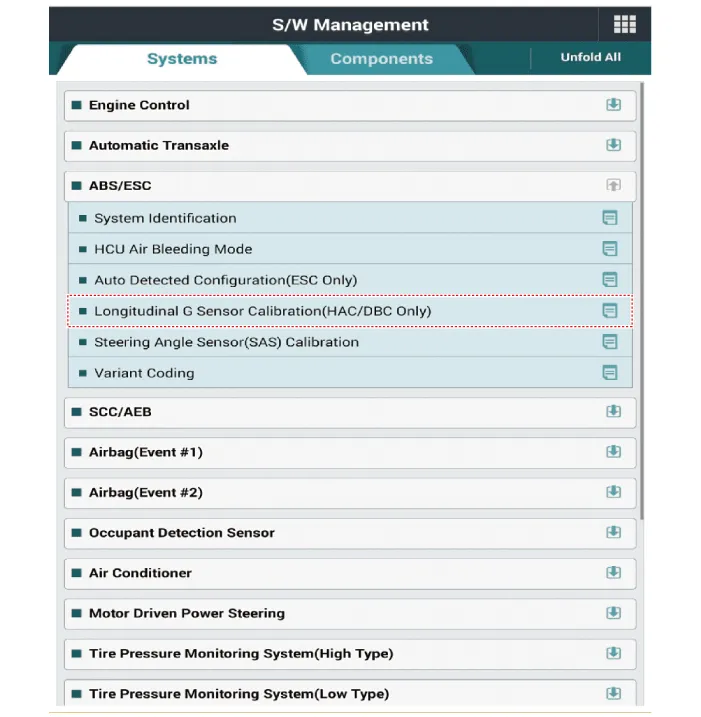
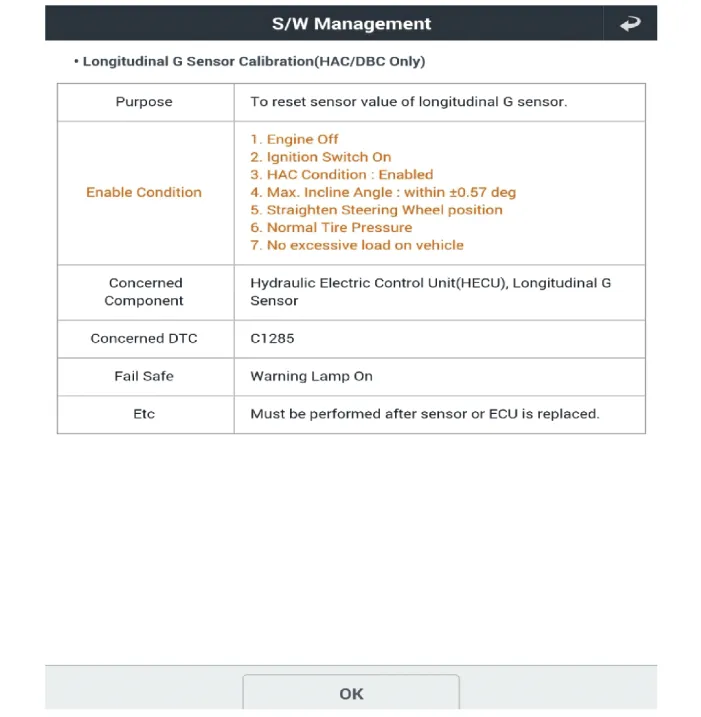
Perform diagnostic procedure by using diagnostic device as shown below:
Connect self-diagnosis connector (16pins) located under the driver side crash pad to self-diagnosis device, and then turn the self-diagnosis device after key is ON.
Select the "vehicle model" and "ESP/ESC" on KDS vehicle selection screen, then select OK.
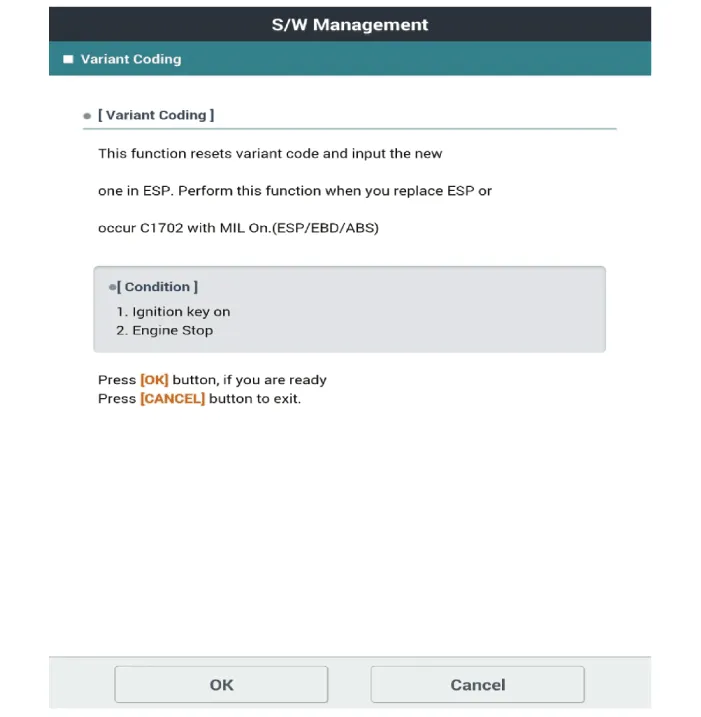
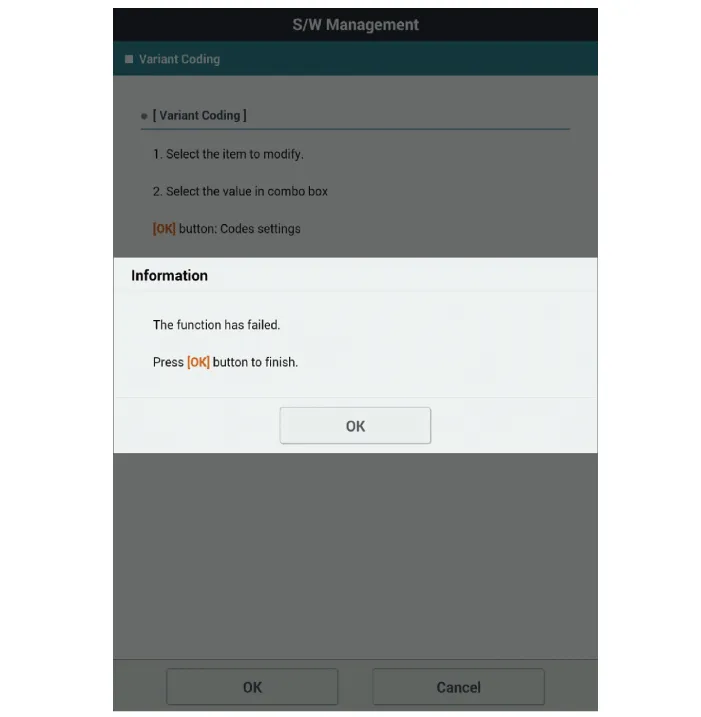
| [Variant Code Reset] |
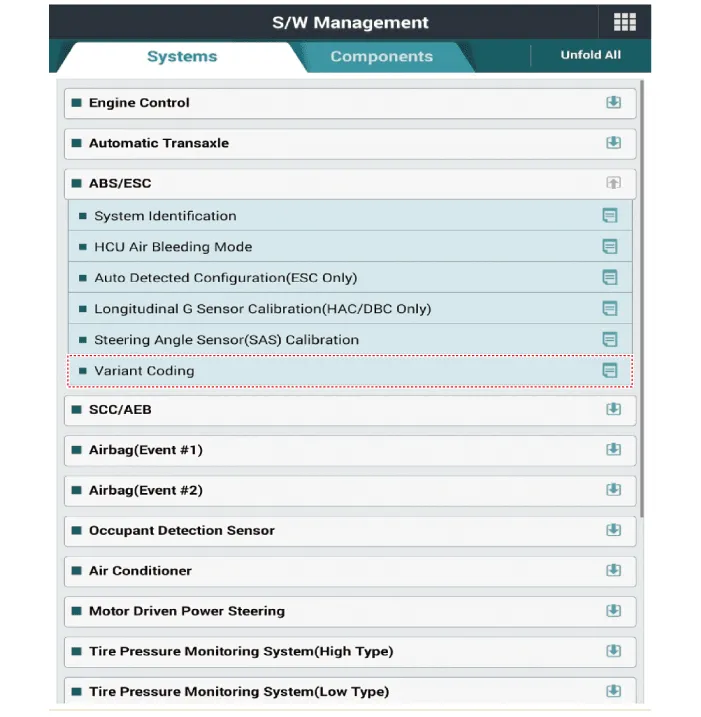
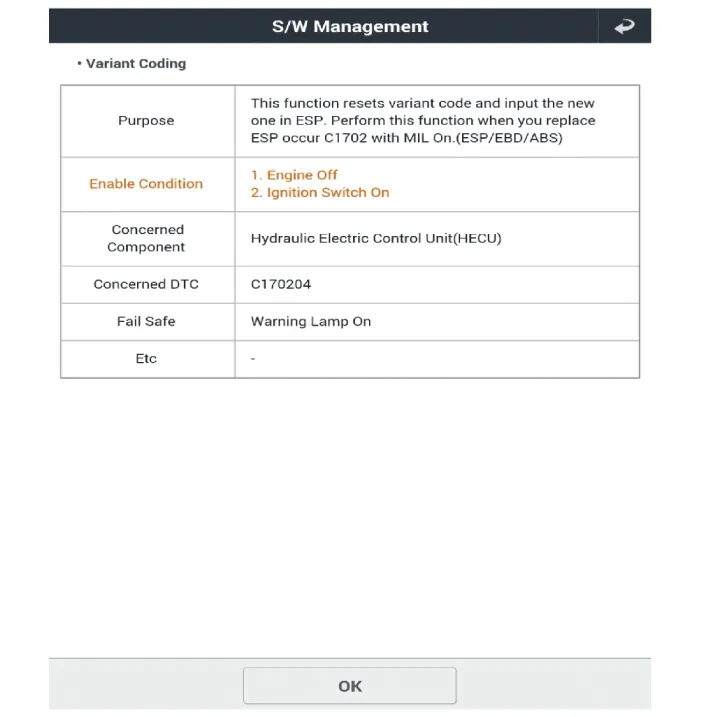

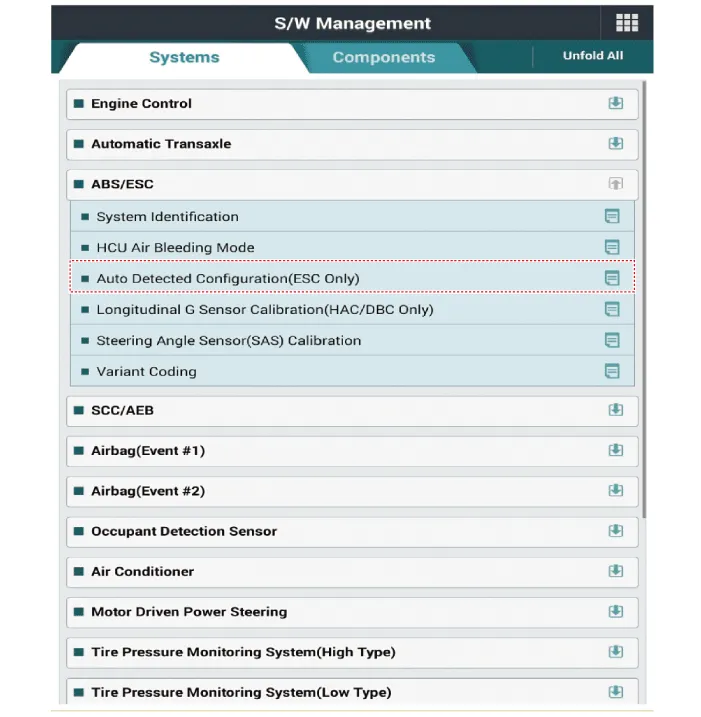
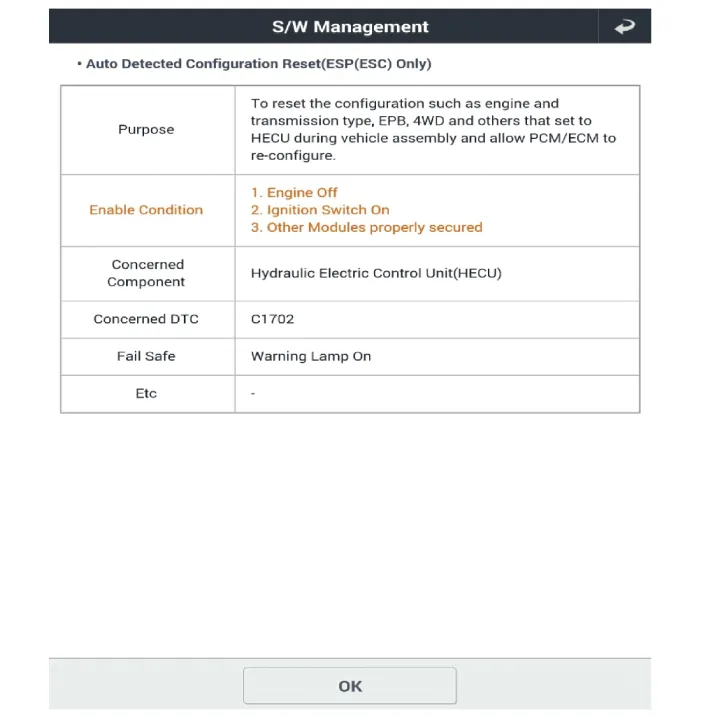
| [Auto Detected Sensor Calibration] |
| [Longitudinal G Sensor Calibration] |


Other information:
Description and operation Description The ISG OFF switch on the floor console can be used to deactivate the ISG function. Repair procedures Removal Put on gloves to protect your hands. • When prying with a flat-tip screwdriver or use a prying trim tool, wrap it with protective tape, and apply protective tape around the related parts, to prevent damage.Components and components location Components 3.3 T-GDI LAMBDA II 1. Vacuum pump 2. Vacuum pump bracket 2.0 T-GDI THETA II 1. Vacuum pump 2. Vacuum pump bracket Repair procedures Removal [3.3 T-GDI LAMBDA II] 1. Turn ignition switch OFF and disconnect the negative (-) battery cable.Categories
- Manuals Home
- Kia Stinger Owners Manual
- Kia Stinger Service Manual
- New on site
- Most important about car
