
Kia Stinger CK: Rear Suspension System / Rear Shock Absorber
Components and components location
| Components |
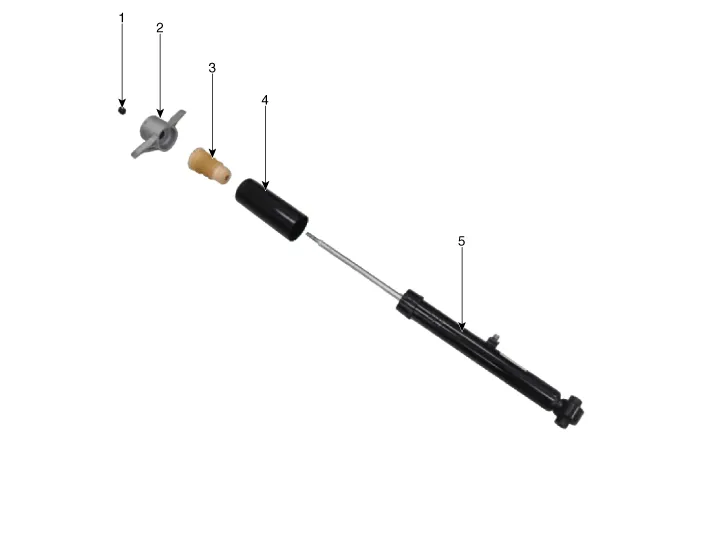
| 1. Lock nut 2. Rear insulator 3. Bumper stopper |
4. Dust cover 5. Shock absorber |
Repair procedures
| Removal |
| 1. |
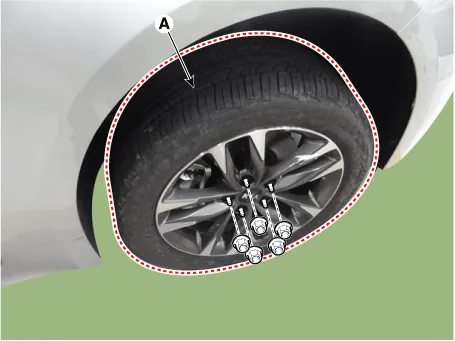
Remove wheel nuts, rear wheel and tire (A) from hub.
|

| 2. |
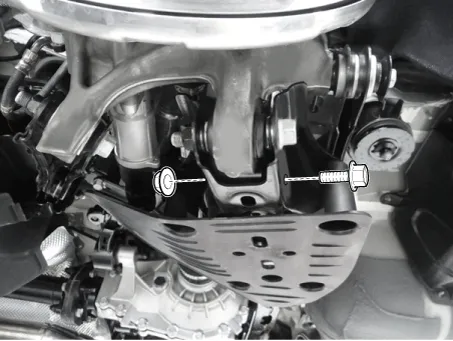
Loosen the rear shock absorber bolt & nut.
|
| 3. |
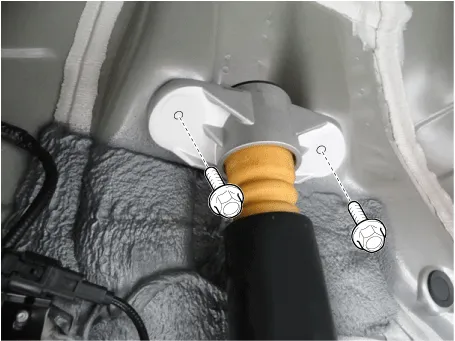
Loosen the rear shock absorber upper bolts and the remove the rear shock absorber.
|
| 4. |
Install in the reverse order of removal.
|
| Disassembly |
| 1. |
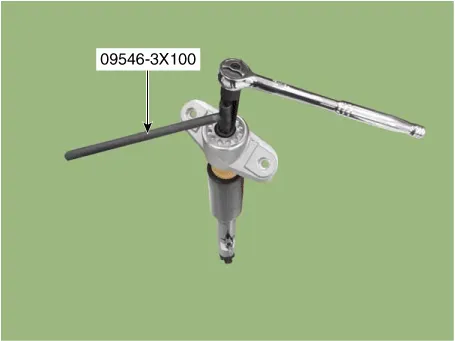
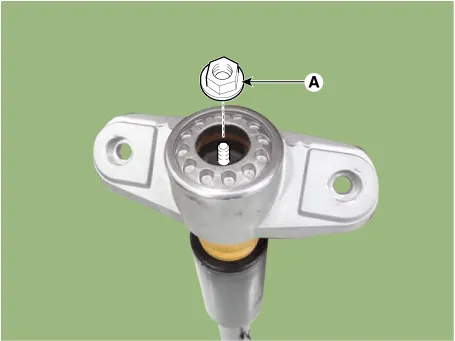
Using SST (09546-3X100), loosen the shock absorber lock nut (A).
|
| 2. |
Install in the reverse order of removal. |
| Inspection |
| 1. |
Check the rubber parts for wear and deterioration. |
| 2. |
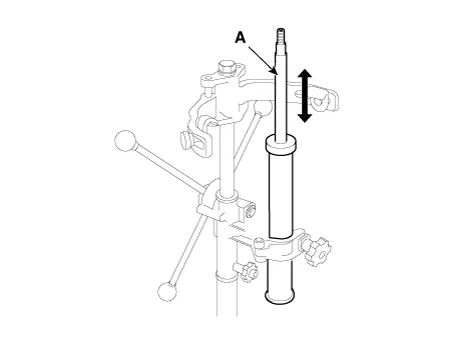
Compress and extend the piston rod (A) and check that there is no abnormal resistance or unusual sound during operation.
|
Disposal
| 1. |
Fully extend the piston rod. |
| 2. |
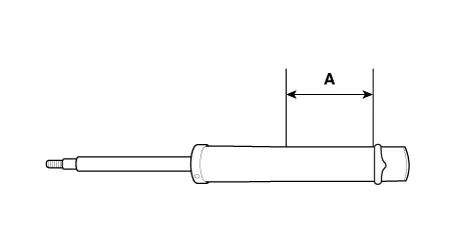
Drill a hole on the (A) section to remove gas from the cylinder.
|


Other information:
Components and components location Components Schematic diagrams Circuit Diagram [Radio + GPS] [Radio + GPS + DAB] [Radio + GNSS + eCall] Repair procedures Removal AVN antenna 1. Disconnect the negative (-) battery terminal. 2. Remove the roof trim assembly.1. Park on a level surface and apply the parking brake firmly. 2. Place the transaxle shift lever in P (Park). 3. Activate the hazard warning flashers. 4. Remove the wheel lug nut wrench, jack and spare tire from the vehicle. 5. Block both the front and rear of the wheel that is diagonally opposite from the jack position. WARNING - Jack location To reduce the possibility of injury, be sure to use only the jack provided with the vehicle in the correct jack position; never use any other part of the vehicle for jack support.Categories
- Manuals Home
- Kia Stinger Owners Manual
- Kia Stinger Service Manual
- New on site
- Most important about car
