
Kia Stinger CK: Tire Pressure Monitoring System / TPMS Receiver
Description and operation
| Operation |
| 1. |
General Function
|
| 2. |
General Conditions to Learn New Sensors:
|
| 3. |
General Conditions to Un-Learn a sensor that is removed :
|
Repair procedures
| Removal |
| 1. |
Turn ignition switch OFF and disconnect the negative (-) battery cable. |
| 2. |
Remove the glove box housing. (Refer to Body - "Glove box housing") |
| 3. |
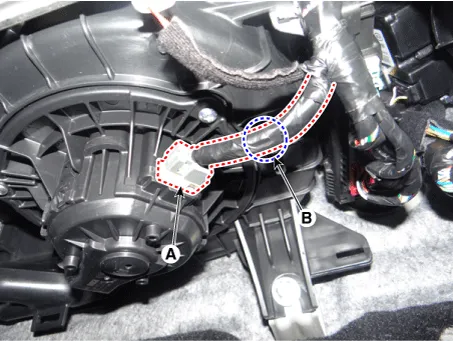
Disconnect the blower motor connector (A) & fix clip (B).
|
| 4. |
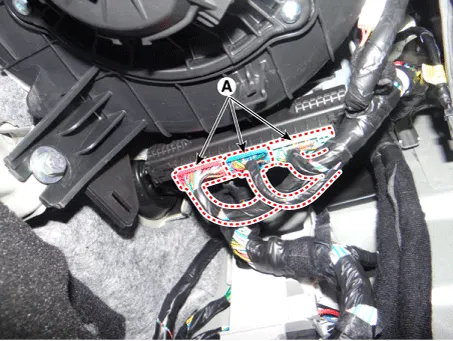
Disconnect the integrated body control unit (IBU) connector (A).
|
| 5. |
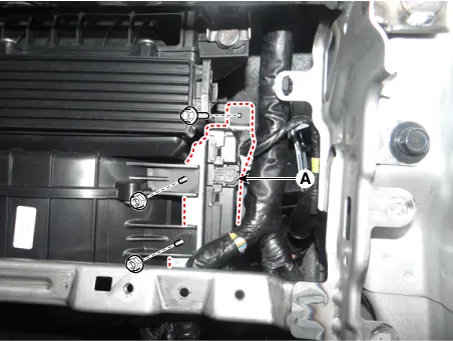
Loosen the nut & bolt and then remove the integrated body control unit (IBU) (A).
|
| 6. |
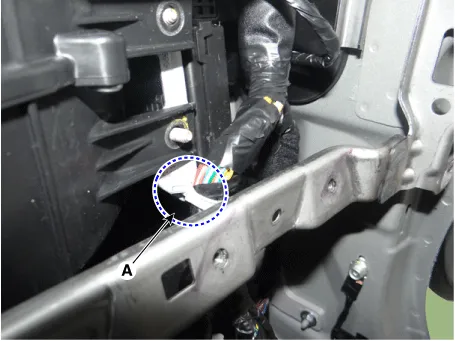
Disconnect the wiring hannes fix clip (A) from the integrated body control unit (IBU).
|
| Diagnosis procedure by using diagnostic device |
The main contents of diagnostic method using diagnostic device are as follows:
| 1. |
Connect self-diagnosis connector (16 pins) located in the lower driver side crash pad to self-diagnosis device, and then turn on the self-diagnosis device after key is ON. |
| 2. |
Select the "vehicle model" and "TPMS" on KDS vehicle selection screen, then select OK. |
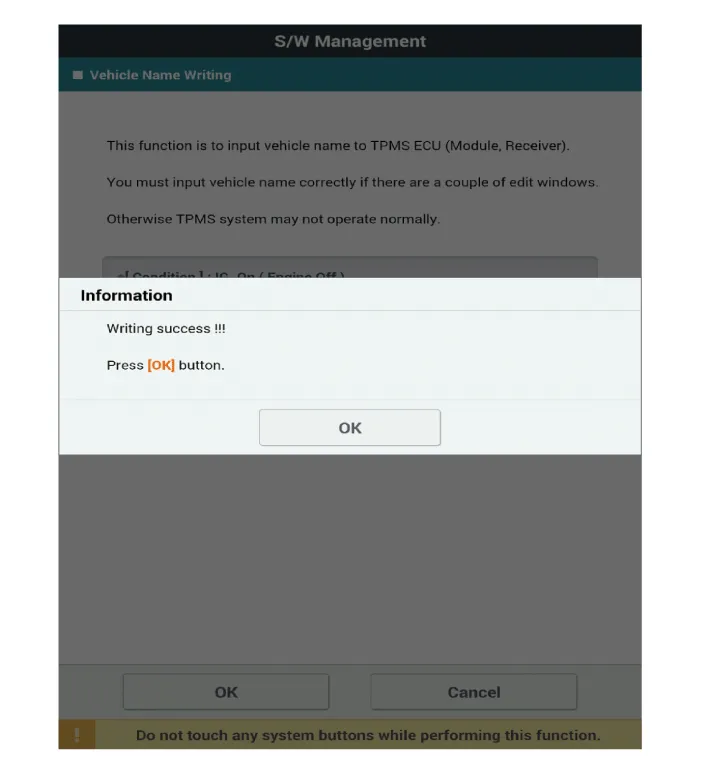
[Vehicle Name Writing Method]
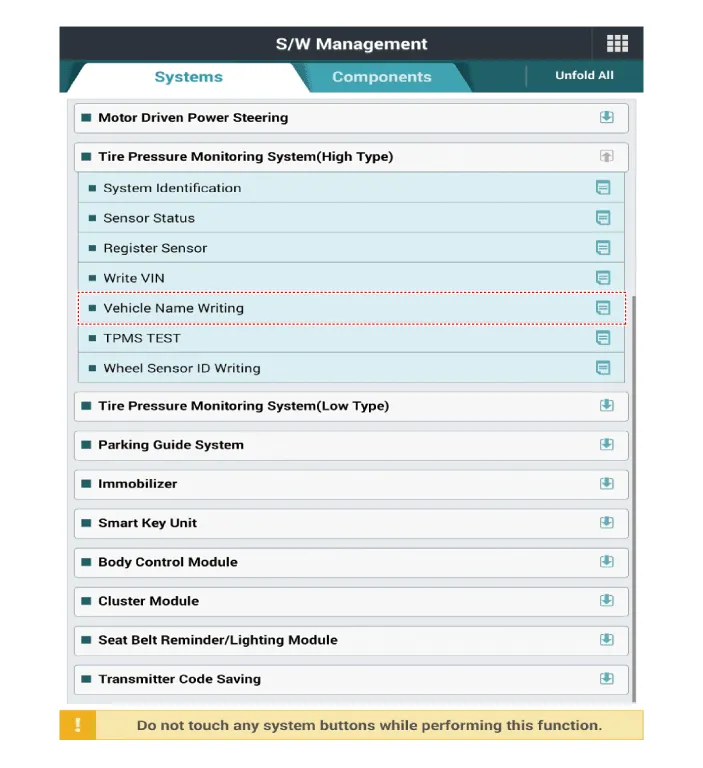
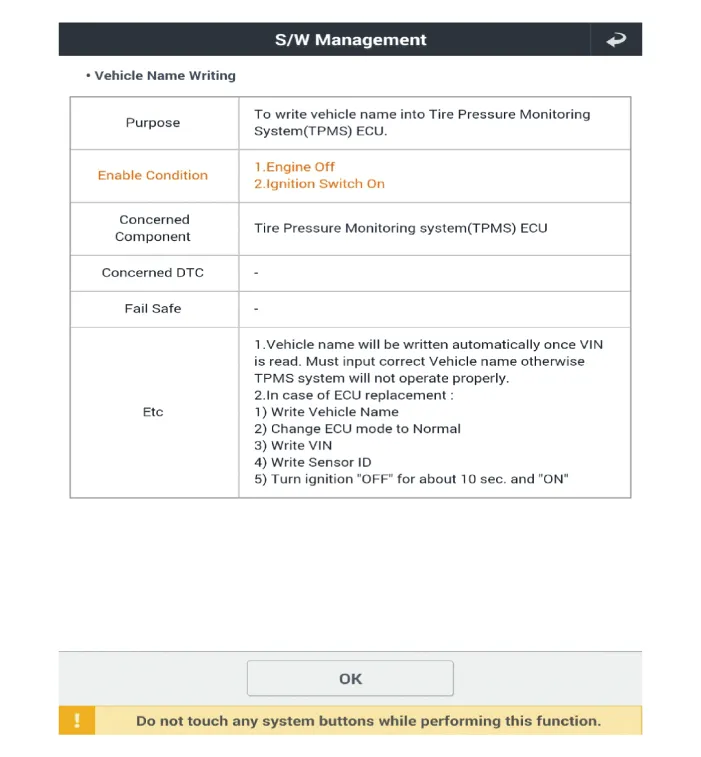
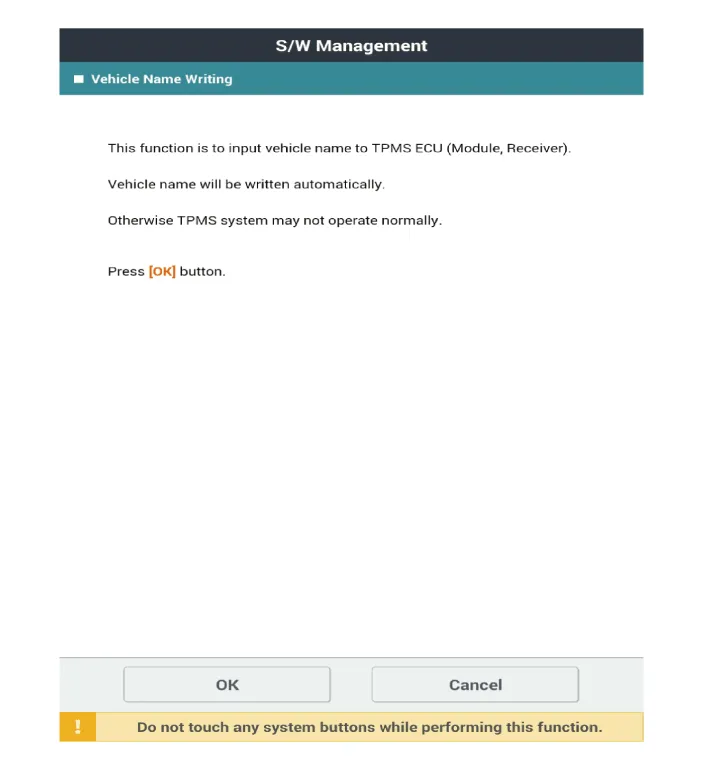
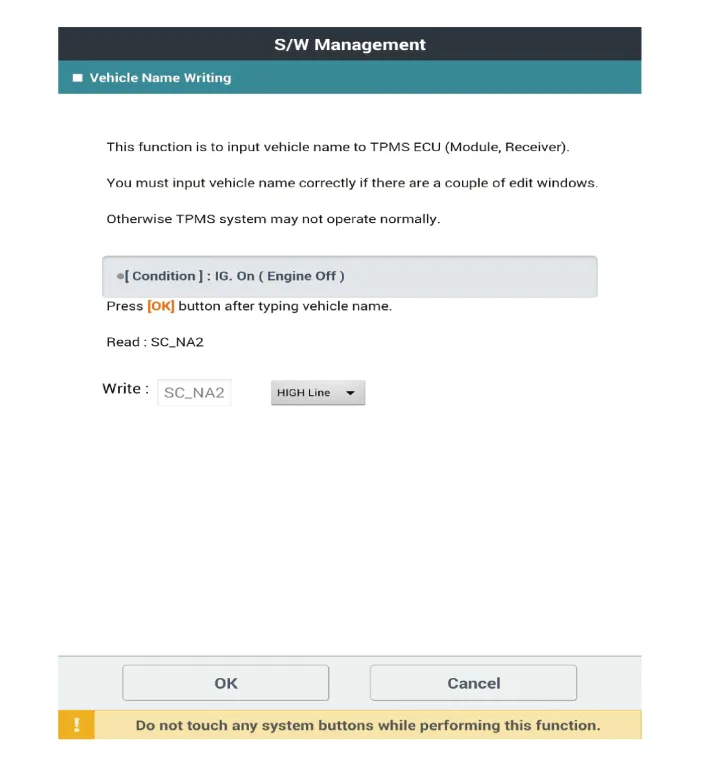
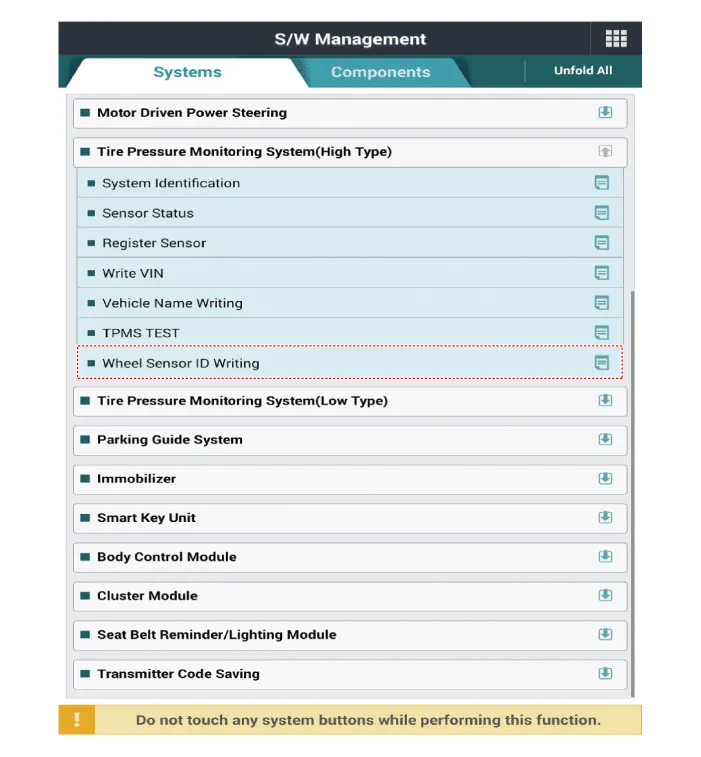
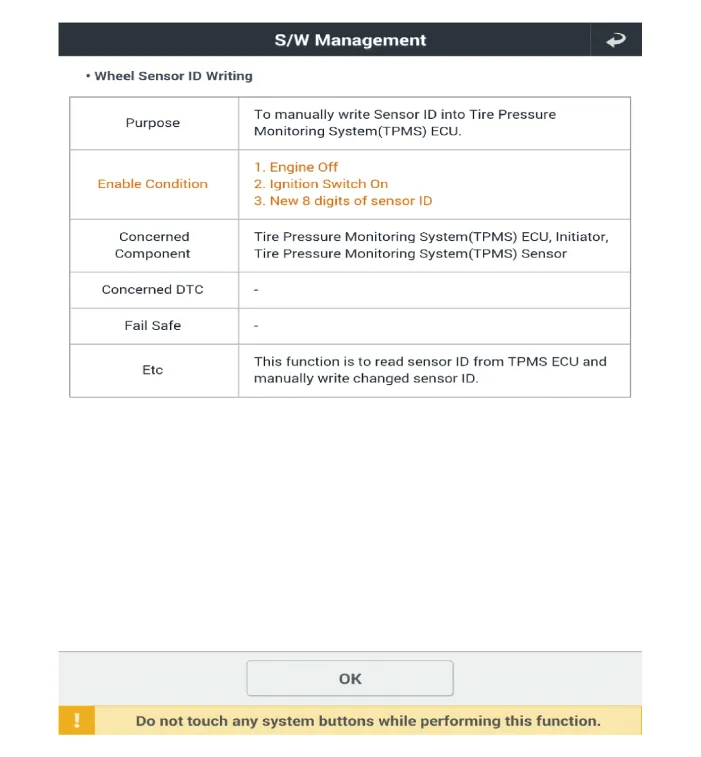
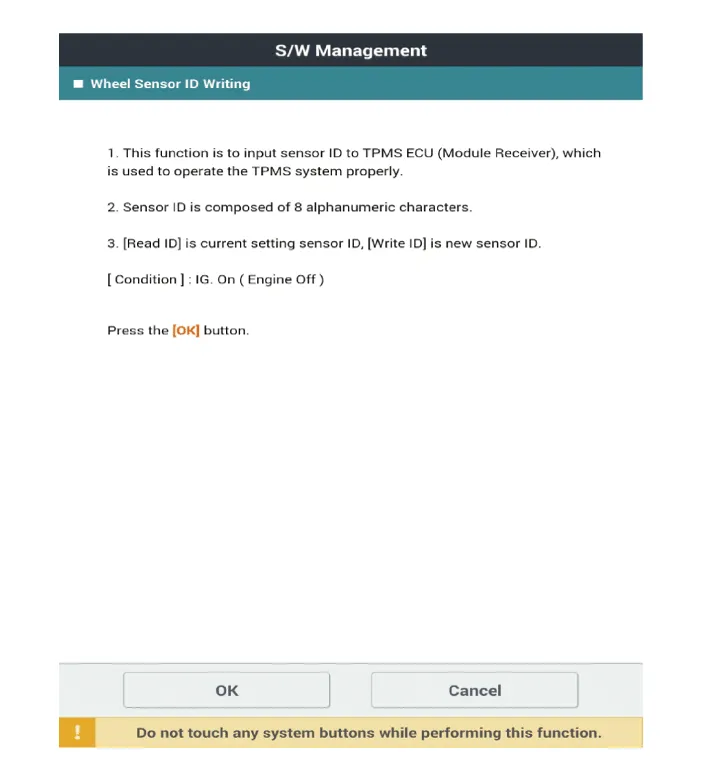
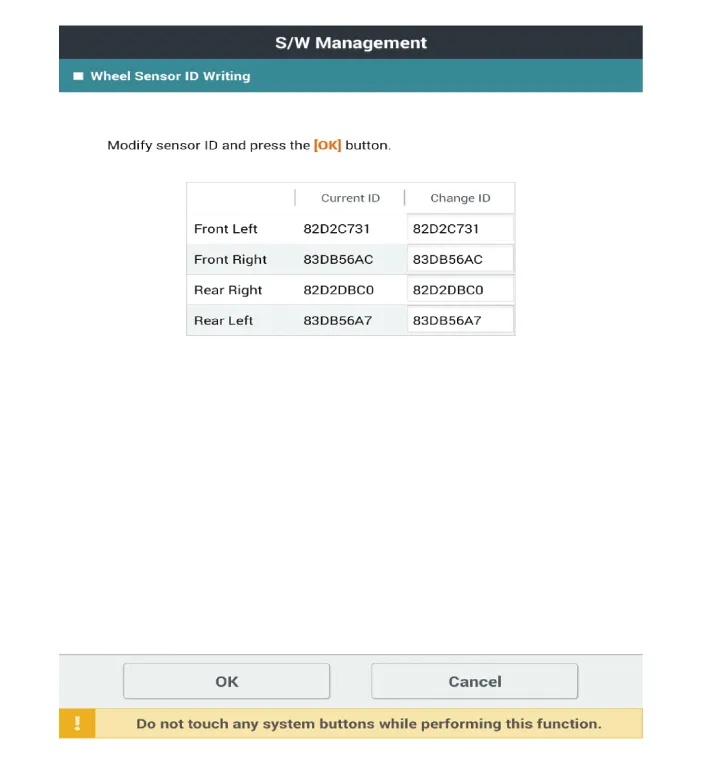
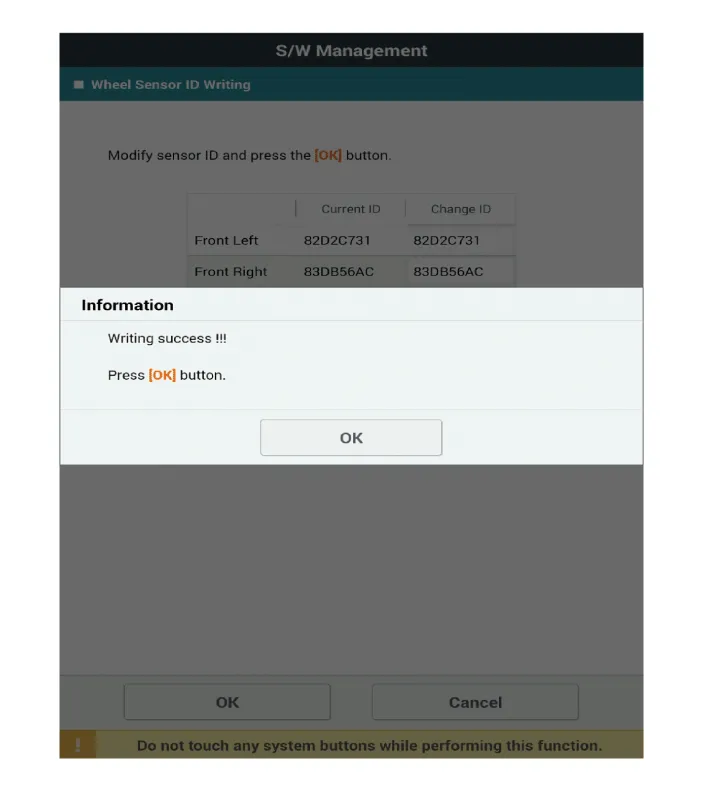
[Wheel Sensor ID Writing Method]


Other information:
Kia Stinger (CK) 2018-2023 Service Manual: ECS(Electronic Control Suspension) System
Components and components location Components 1. ECS ECU 2. Front ECS Damper 3. Wheel speed sensor 4. Rear ECS Damper 5. Body G Sensor Description and operation Operation System Check the MCU and the state of each part when electric power is applied to ECU and prepare to operate.Kia Stinger (CK) 2018-2023 Service Manual: Front Wheel Guard
Repair procedures Replacement Put on gloves to protect your hands. • Use a plastic panel removal tool to remove interior trim pieces without marring the surface.Categories
- Manuals Home
- Kia Stinger Owners Manual
- Kia Stinger Service Manual
- New on site
- Most important about car
