
Kia Stinger CK: Parking Brake System / Parking Brake Assembly
Repair procedures
| Removal |
| 1. |
Turn ignition switch OFF and disconnect the negative (-) battery cable. |
| 2. |
Remove the crash pad lower panel. (Refer to Body - "Crash Pad Lower Panel") |
| 3. |
Remove the knee airbag. (Refer to Restraint - "Knee airbag (KAB) module") |
| 4. |
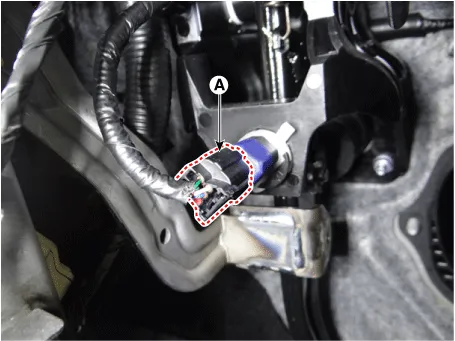
Disconnect the brake lamp switch connector (A).
|
| 5. |
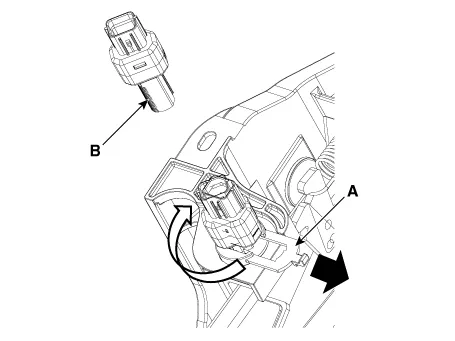
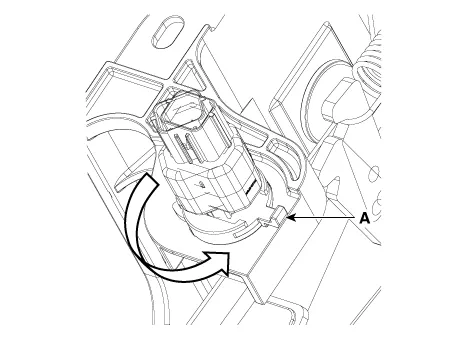
Pull the locking plate (A) as indicated by the arrow and then turn brake switch (B) 45° clockwise and remove it.
|
| 6. |
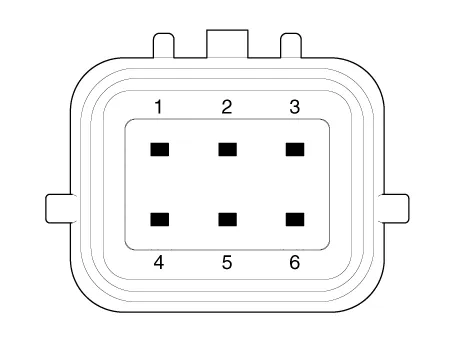
Inspect a removed stop lamp switch along the below procedures.
|
| Installation |
| 1. |
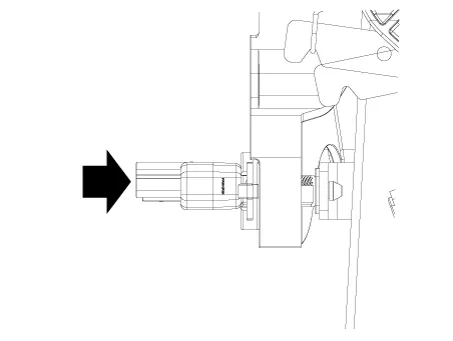
Fix the brake pedal arm and insert fully the brake switch so that the contact part is invisible.
|
| 2. |
After inserting, turn the brake switch 45° counterclockwise, and then assemble locking plate by pushing.
|
| 3. |
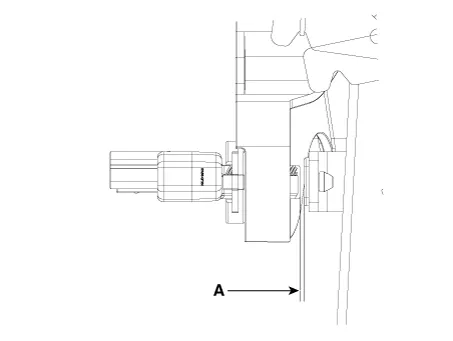
Confirm the gap between stop lamp switch and bracket.
|

| 4. |
Install the stop lamp switch connector (A).
|
| Inspection |
1. Fuse inspection
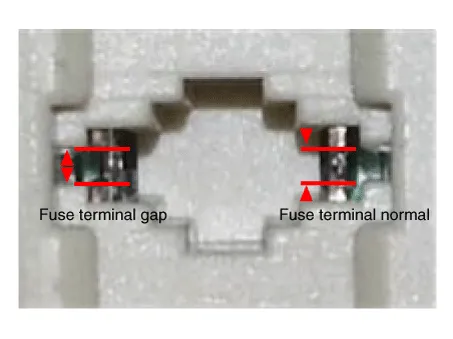
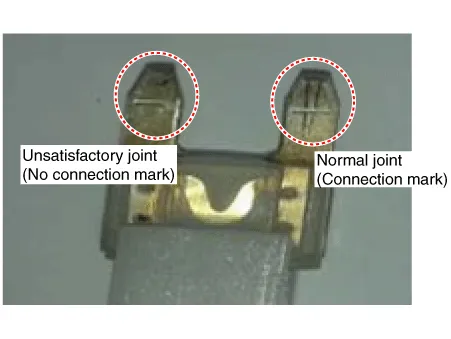
Mount the test fuse to the switch fuse and relay fuse part to confirm a normal joint fit.
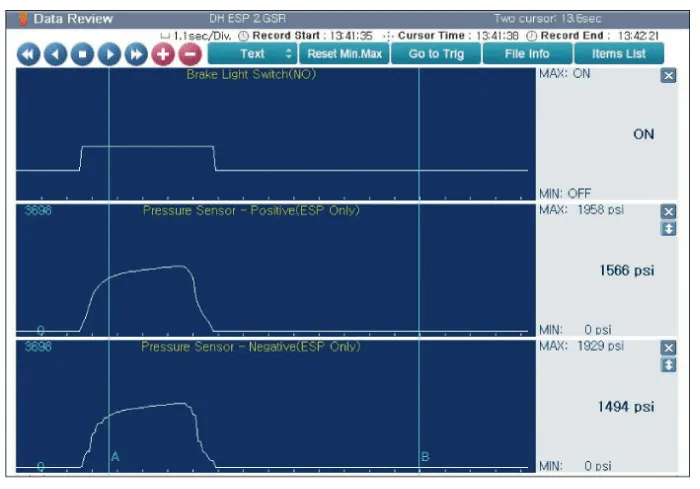
2. KDS Data Analysis
| 1. |
Analyze KDS data and check for any abnormality with the stop lamp switch.
|
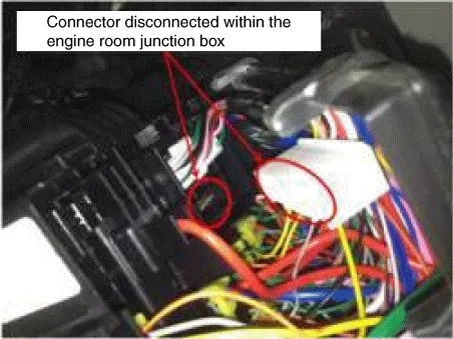
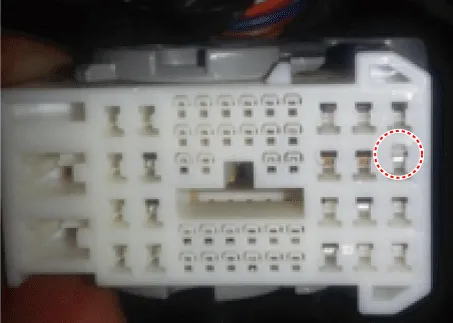
3. Inspection of connector by each part
Check for damage, terminal surge or incomplete connection in each connector.
[Engine room junction box]
[ABS/VDC control module]
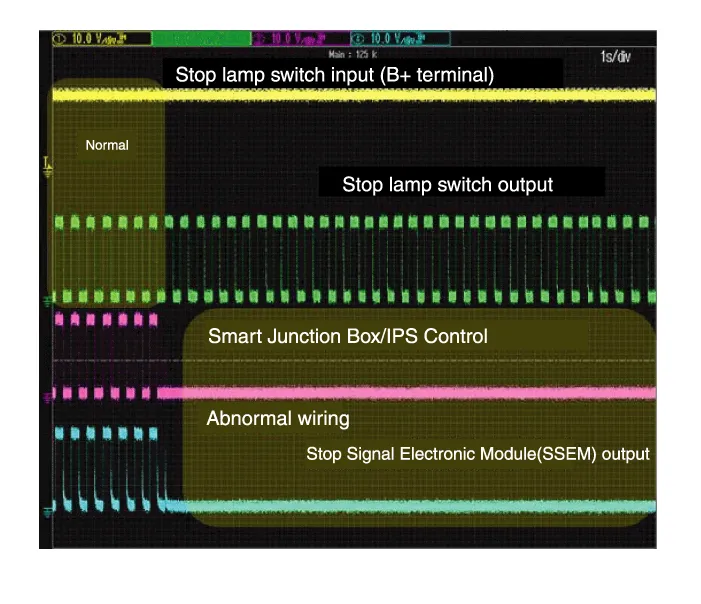
4. Inspect the stop lamp circuit
Connect probe to each terminal wire and confirm oscilloscope waveform.
[Stop lamp switch input/output]

[Oscilloscope waveform screen]


Other information:
Kia Stinger (CK) 2018-2023 Service Manual: Filler-Neck Assembly
Repair procedures Removal 1. Switch "OFF" the ignition and disconnect the negative (-) battery terminal. 2. Remove the fuel filler cap after opening the fuel filler door. 3. Lift the vehicle. 4. Remove the rear-left wheel & tire and wheel house cover.Kia Stinger (CK) 2018-2023 Service Manual: Front Suspension System
Components and components location Components Location 1. Front stabilizer bar 2. Steering gear box 3. Front strut assembly 4. Front axle 5. Compression arm 6. Lateral armCategories
- Manuals Home
- Kia Stinger Owners Manual
- Kia Stinger Service Manual
- New on site
- Most important about car
